
The greatest college football game you’ve never heard about
“A date which will live in infamy.”
That’s how President Franklin D. Roosevelt described December 7, 1941 — the date Japanese air and naval forces attacked Pearl Harbor. A day later, the United States formally entered World War II.
The ripple effects were widespread, as the war effort spurred the nation into the largest mobilization of troops and equipment the U.S. had ever experienced. Young men were readied for battle and sent across the globe, both to Europe and the Pacific, destined to fight in some of history’s deadliest operations. Back home, factories ramped up to produce the tools and munitions of modern warfare, with women taking on increased labor roles as their husbands, brothers, and sons left for combat. Seemingly every city, every community, every family was impacted by the war.
College football was no different.
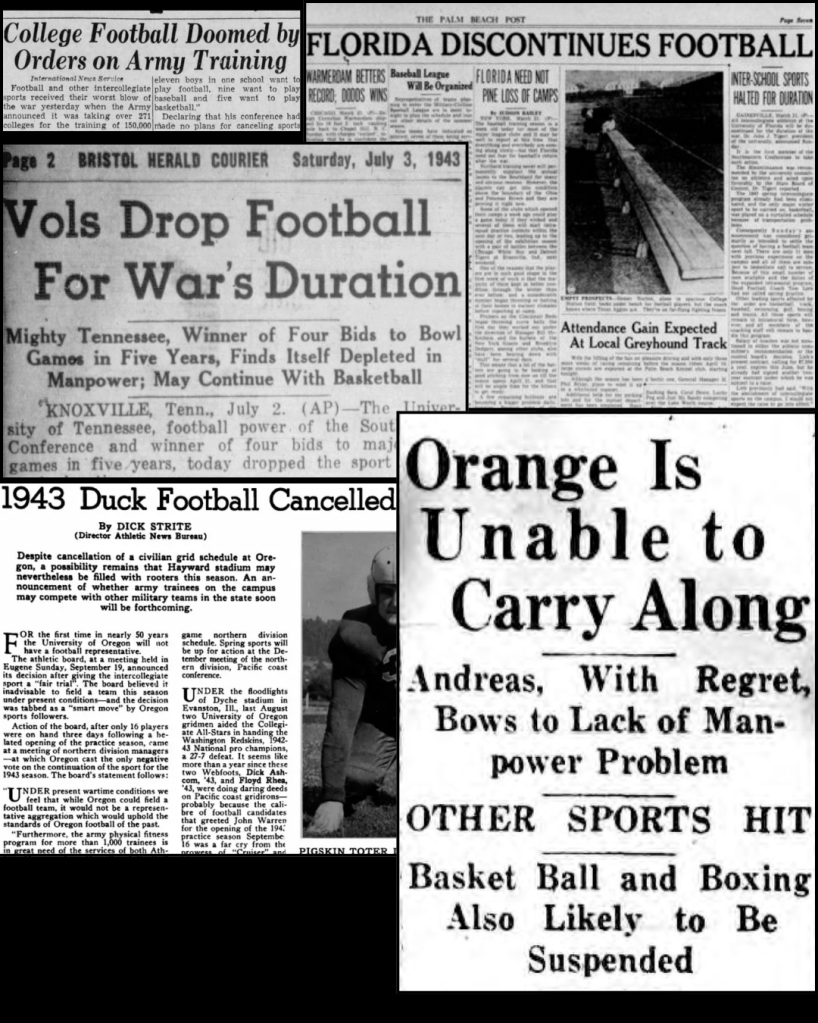
In 1943, many college football programs faced rosters so depleted by the war effort that they were forced to cancel their season. Several rivalries that had been played annually for decades were suddenly suspended, while new military service teams sprung up as college athletes trained for war.
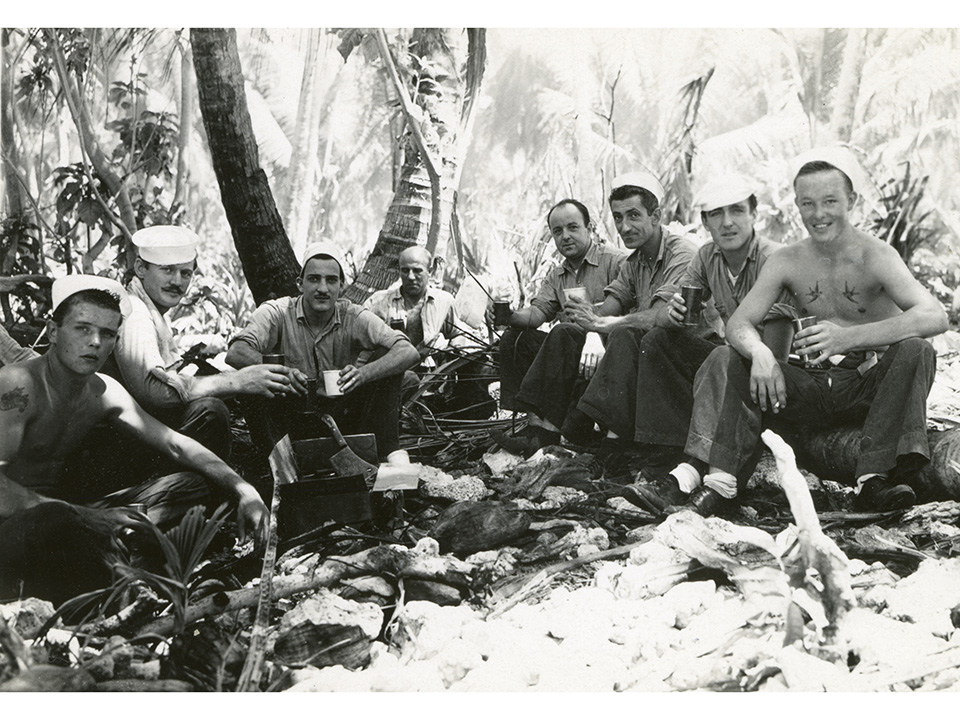
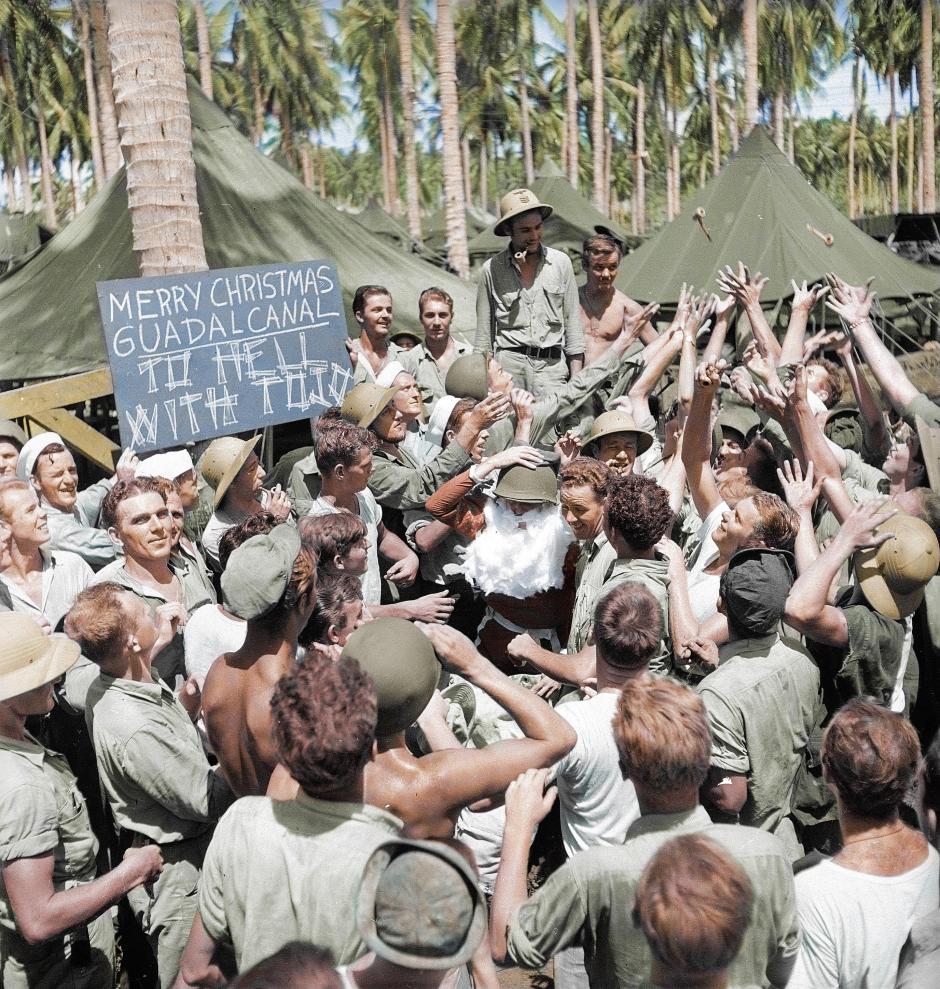
By 1944, many current and former college football players had deployed overseas. On the small Pacific island of Guadalcanal — taken by the United States in 1942 and converted to an outpost for operations in the South Pacific — the 4th and 29th Regiments of the 6th Marine Division were packed with elite college football players, including All-Americans and first-round NFL draft picks. As they trained and prepared for their assignment, the Marines would often spend their downtime drinking beers and arguing over which regiment would field the more formidable football team.
On Christmas Eve 1944, they decided to find out. The 6th Marine Division organized a gridiron showdown between the two regiments that quickly became known as The Mosquito Bowl. Rosters were drawn up, regimental bands were used as homage to collegiate marching bands, and officers volunteered as game officials. Crowd estimates vary, with most ranging into the thousands. As boys will do, many wagers were placed on the outcome.
The game was supposed to be touch football, but the Marines barely abided by those rules, beating up on one another atop a “field” littered with coral shells. Due to each side’s steely determination and dogged defense of regimental pride, the game ended in a scoreless tie.
Unfortunately, this Christmas Eve classic doesn’t come wrapped with a pretty bow. Endings aren’t always happy.
Just a few months following the Mosquito Bowl, the 6th Marine Division was sent to Okinawa, where they fought one of the most intense battles in the Pacific. Ultimately, 12 of the young men who participated in the Mosquito Bowl lost their lives in service to their country:
- 2nd Lieutenant “Irish George” Murphy, who played end for Notre Dame and captained its 1942 squad
- 2nd Lieutenant Charlie Behan, who played end for Northern Illinois and briefly for the Detroit Lions of the NFL
- 1st Lieutenant Dave Schreiner, a 2-time All-American end at Wisconsin who was named the Big Ten MVP in 1942, was a first-round draft pick, and was later named to the College Football Hall of Fame
- Corporal Tony Butkovich, who played fullback at Illinois and Purdue, leading the nation in rushing in 1943 and later being taken in the first round of the NFL draft
- 1st Lieutenant Bob Baumann, a tackle from Wisconsin
- Captain Bob Fowler, who played center at Michigan
- Corporal John Hebrank, a tackle at Lehigh
- 1st Lieutenant Hubbard Hinde, a tackle at SMU
- Corporal Rusty Johnston, who played halfback at Marquette
- Corporal Johnny Perry, a halfback who spent time at both Wake Forest and Duke
- Corporal Jim Quinn, an end at Amherst
Less than 8 months following the Mosquito Bowl, the war was over, due in no small part to the bravery and sacrifices made by the game’s participants.
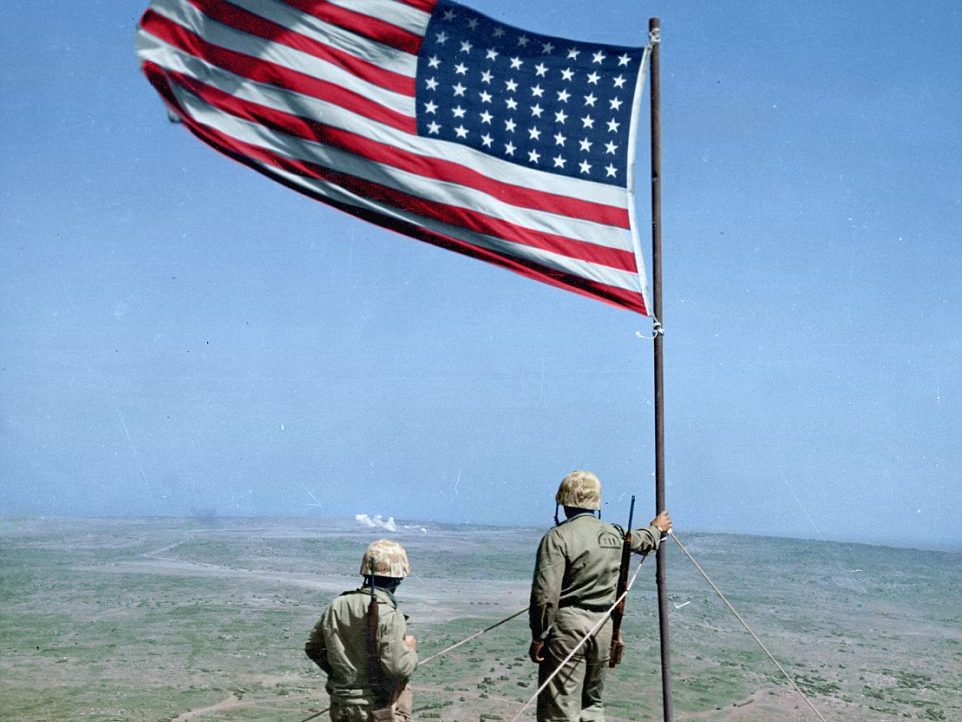
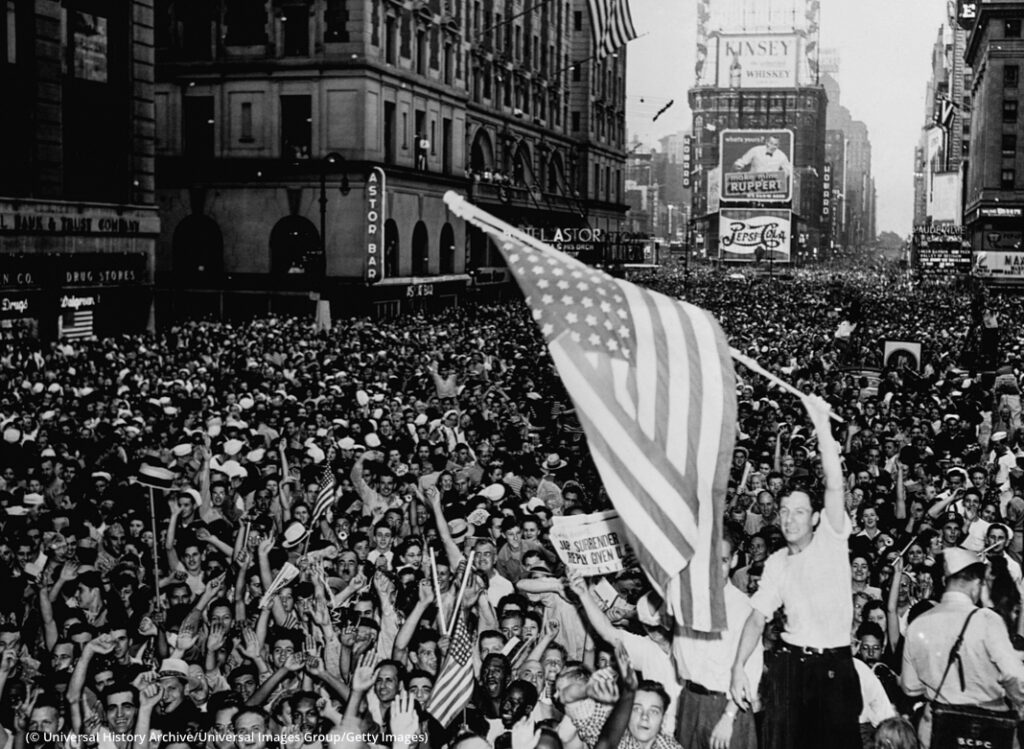
As we honor all of those who have fallen in service to our country, I like to think back on these young men who had the courage to fight and the selflessness to pay the ultimate price for our freedom. I like to imagine their joy as they got to spend one Christmas Eve afternoon on a mosquito-infested island in the South Pacific temporarily putting aside the war being waged around them, briefly taking their minds off of loved ones back home, and having fun playing the children’s game we all love so dearly.
In remembrance and honor, we salute them.
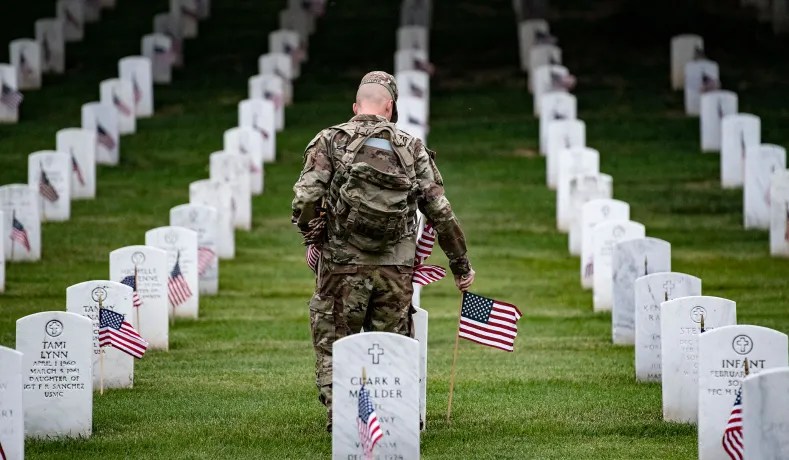
For more information about this incredible game, check out The Mosquito Bowl: A Game of Life and Death in World War II by Buzz Bissinger, the author of Friday Night Lights. Many of Bissinger’s contacts for the book were a result of research compiled by Terry Frei, author of the book Third Down and a War To Go: The All-American 1942 Wisconsin Badgers, which delves into the relationship between Frei’s father and two of the participants in the Mosquito Bowl. I recommend both.

 CFB Travel Guy