

The quintessential LSU tailgate food
If there’s one dish that epitomizes LSU tailgating, it’s the ubiquitous jambalaya. Easily scalable to feed a crowd, relatively cheap, and insanely delicious, you can find jambalaya at half of the tailgates around campus.
But first, I need you to understand that there are two types of jambalaya found in the state: Creole “red” jambalaya, which includes tomatoes, more closely resembles Spanish paella, sometimes includes shrimp or other seafood, and is found predominantly in New Orleans; and Cajun “brown” jambalaya, which is spicier, omits tomatoes, and almost exclusively uses pork and poultry to supply the protein.
Even though two types of jambalaya exist, it is my firm belief that only the latter is worthy of the name.
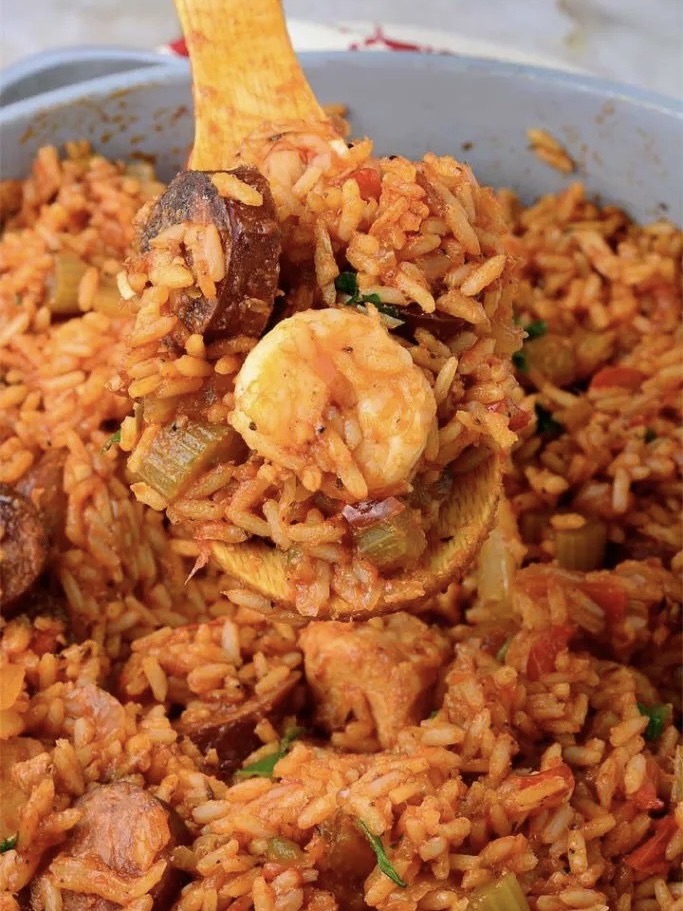
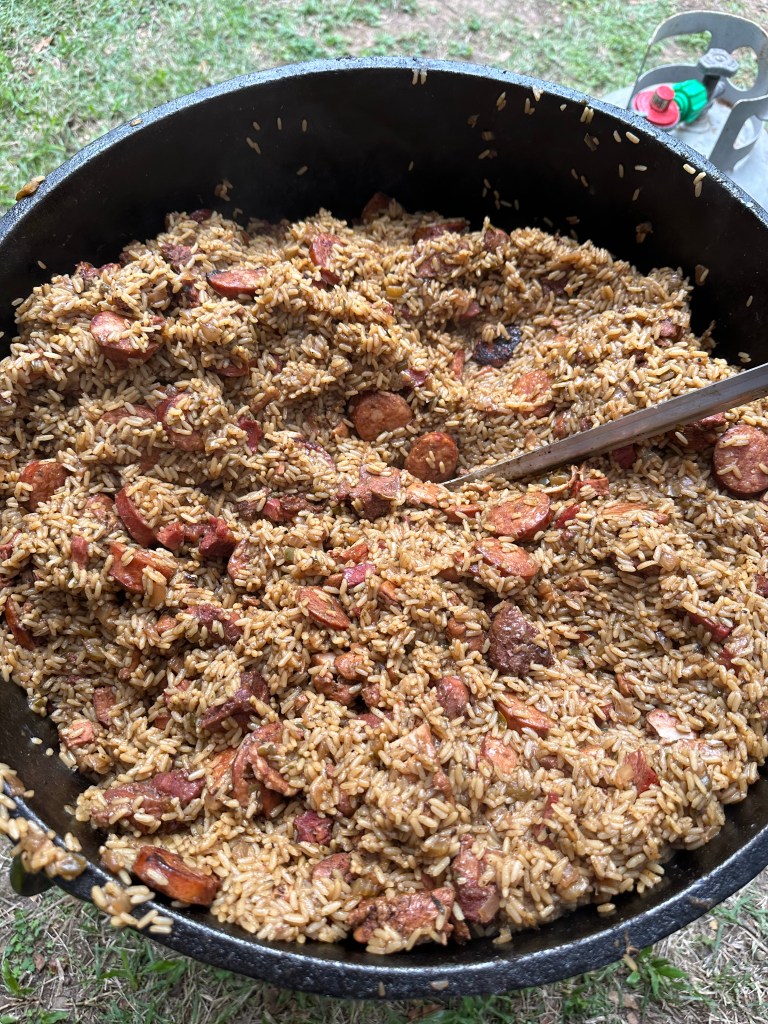
At the Alabama-LSU game in Baton Rouge, about midway between the Creoles in New Orleans and the Cajuns in Lafayette, brown jambalaya is (rightfully) king. In fact, the nearby town of Gonzales hosts the largest jambalaya cook-off in the country and bills itself as the true home of this classic Louisiana meal. No tomatoes are allowed in the cook-off.
As I wandered between a few different tailgates hosted by friends and family, I enjoyed about 5 bowls of the good stuff, but spent most of my time hanging with the baws at Outdoor Cats Tailgating. Their regular tailgate cook, the incomparable T-Ball, was also making a huge pot of jambalaya and it was outrageously good.
While every Louisiana man’s jambalaya is just a bit different, the ingredients and process T-Ball and I use is largely the same. So here’s how to make a typical jambalaya at home:
Ingredients:
- Vegetable oil
- Tony Chachere’s, Slap Ya Mama, or other multipurpose Cajun seasoning
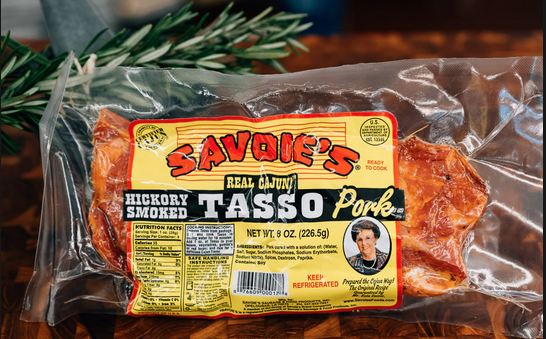
- 1/2-lb. tasso (Cajun cured and smoked ham), optional
- 1 lb. pork shoulder or boneless country-style ribs, cut into cubes
- 1 lb. chicken thighs, cut into bite-size pieces
- 1.5 lbs. smoked sausage or andouille
- 2 tbsp unsalted butter
- 1 large bell pepper, diced
- 1 large onion, diced
- 3 ribs celery, diced
- 4 cloves garlic, minced
- 2 quarts chicken stock
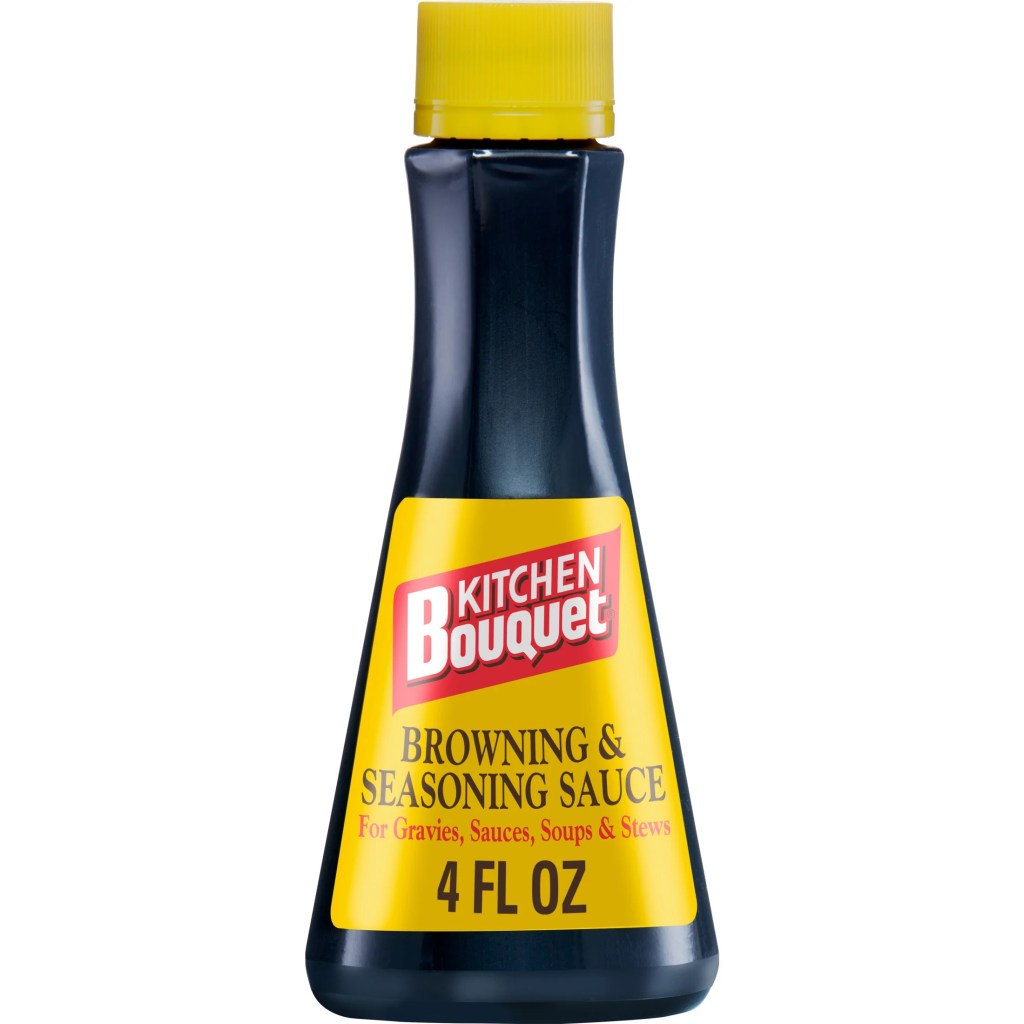
- Kitchen Bouquet browning seasoning
- Salt
- Black pepper
- Cayenne pepper
- 4 cups long-grain white rice (recommend subbing for parboiled rice if scaling up the size of your jambalaya)
- For pastalaya, sub rice for 2 lbs. pasta
Directions:
Over medium heat, add enough vegetable oil to lightly coat the bottom of a 6+ quart cast iron pot. Once the oil is hot, add the diced Tasso and cooked until lightly browned. When browned and lightly crispy on the edges, remove with a slotted spoon and place in a paper towel-lined container.
Next, season the pork shoulder with Cajun seasoning and add to the pot. Allow it to sit untouched for a couple minutes to sear. It’s ok if it lightly sticks to the pot, as you’ll scrape the gratin later. When the pork is seared, begin to stir in order to brown the other sides and cook through, then remove to the container with the Tasso.
Brown the smoked sausage or andouille next, then remove to the container with Tasso and pork. Repeat the process one last time by seasoning the chicken thighs with Cajun seasoning, browning, and removing to the separate container.
Once all the meats are cooked, add the butter and trinity (bell peppers, onions, and celery). As the vegetables cook down, the bits of pork fat in the pan should begin to loosen. If necessary, add a couple of ice cubes to the pot to help loosen the drippings. Scrape that gratin from the bottom of the pot and stir to mix with the vegetables. This will help develop the brown color.
When the trinity is softened, add the garlic and cook until lightly toasted.
Add the meats back to the pot, then pour in the 2 quarts of chicken stock, swirling around the sides of the pot to knock off any additional gratin. Add a couple spoonfuls of Kitchen Bouquet until you reach the desired color, then season with salt, pepper, Cajun seasoning, and cayenne. (Since you’ll be adding rice or pasta, you’ll want to slightly over-season, as the starches will soak up some of the seasoning.)
When the stock reaches a full rolling boil, add the rice and allow to boil uncovered for 2-3 minutes. Give the rice one last big stir to incorporate with the meats & vegetables and prevent it from sticking to the bottom of the pot, then reduce the heat to low and cover.
If using pasta instead of rice, allow the pasta to boil uncovered for 8-10 minutes, stirring and pushing the pasta down to keep it submerged as the stock begins to evaporate. When the pasta is almost to al dente, reduce the heat and cover.
Once covered, allow the jambalaya/pastalaya to sit for 20 minutes before removing the lid or checking for doneness. Leaving the lid secured is key to attaining fluffy rice or al dente pasta.
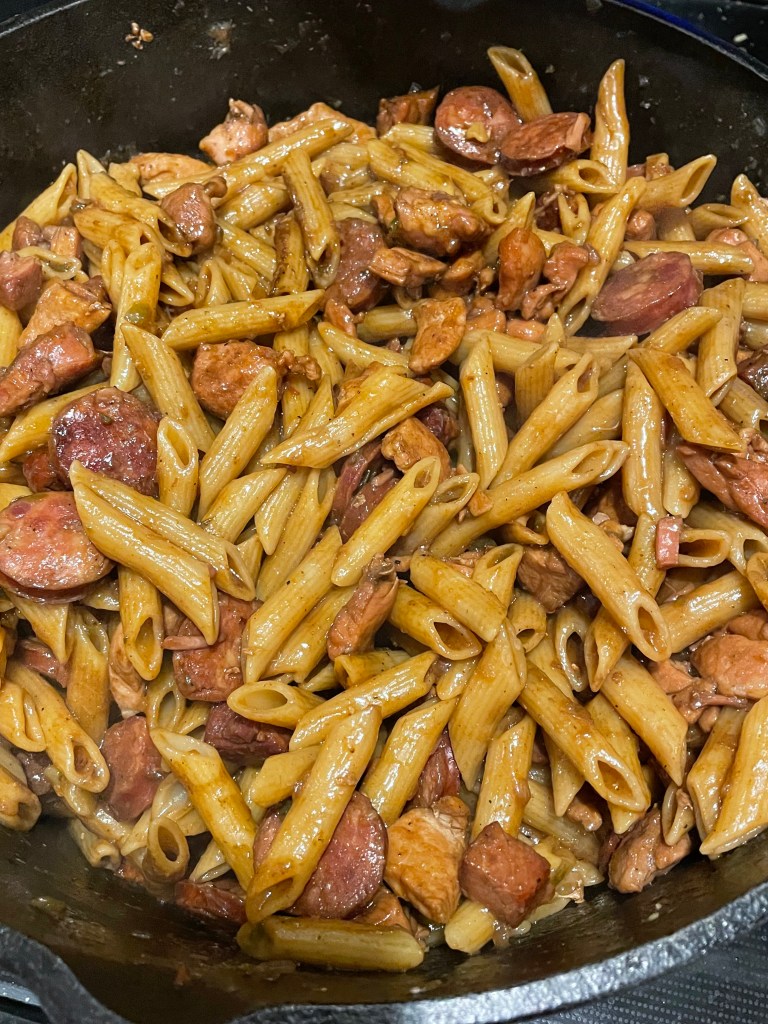
After 20 minutes, give the rice/pasta a stir and fold it back into the middle of the pot, then assess for moisture. If there’s still some stock lingering, put the lid back on and give it another 5-10 minutes.
Once the moisture has evaporated and the rice/pasta is cooked through, you’re ready to eat!
Makes 10-12 servings.

 CFB Travel Guy